My child has quarrels or conflicts
My child has quarrels or conflicts
Children often argue. That's part of growing up. Yet it is sometimes difficult to deal with. It can make the atmosphere at home less pleasant. As a parent, you play an important role. You help your children to get along well with each other.
What can you do?
What can you do?
1. Give each child space to share their story
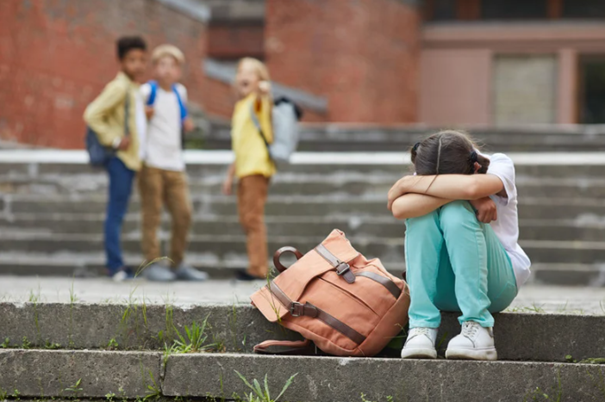
Let each child tell what happened. Don't interrupt. Sit next to your child and name what you actually see. "I see tears, what happened?", "So, what angry words do I hear! What happened?". Then repeat what your child says. This allows your child to feel seen and heard.
2. Search for a solution
Have you heard both stories? Then work with the children to find a solution. Name what the problem is. Ask, "How can we make this right together?" Focus on the solution, not who was at fault. Then let the children come up with their own plan that they are happy with. This sometimes takes time, but creates more peace in the home
3. Give emotions space
Arguments often involve strong feelings. Give your children space to feel and express emotions such as anger or sadness. Dwell on an emotion for a moment. Acknowledge the feeling that this situation is not nice. Discharging emotions helps bring closure to the situation and prevent worse. Help your children end the argument together with something that feels good to them: a high five, hug or expressed resolution.
4. Evaluating and looking ahead
Is the problem solved? That's nice! Dwell on this moment for a moment. Look back together: what happened? How did you solve it? Give a compliment. Then make arrangements together for the next time. That way the children know what they can do next time.
5. Going deeper into the situation
Sometimes it is good to talk to your child again later. Arguing can be a way to show that something else is going on. Perhaps your child feels jealous or often unfairly guilty. Talk at a quiet time, one-on-one. That way your child feels safe and dares to talk more.
Safety first
For (recurring) physical altercations between children, you can call Safe Home for expert advice and support if safety is at stake.
What do we do?
What do we do?
Do conflicts between children persist and you have doubts about how to resolve them yourself? Together we can look at the situation and provide support in how to handle the quarrels in a solution-oriented way.
Ik heb vragen over
- I suffer from grief and loss
- My child has unpleasant feelings and thoughts
- I don't feel okay
- I have concerns
- My child suffers from tensions at home
- My child feels lonely or not seen
- I suffer from stress or unpleasant feelings
- I feel lonely
- I have problems at home
- I have questions about addiction
- I feel alone or not seen
- My child has questions about sexuality
- I tend to hurt myself
- My child hurts himself
- I have a question about addiction
- My child is experiencing grief or loss
- I have questions about love and sex
- I hurt myself
- My child's health and development
- I am dealing with grief and loss
- I care for someone else (informal care)
- I am bullying or being bullied
- My child is being bullied
- My child is being bullied
- My child has quarrels or conflicts
- I am bullying or being bullied
- I suffer from arguments
- As a parent, I worry about my adolescent's safety
- I am worried about someone
- Ik heb problemen in mijn buurt
- Mensen maken misbruik van mij
- Er is een melding gedaan bij Veilig Thuis
- Ik voel me niet veilig
- Ik ervaar geweld
- There is violence at home or my child uses violence
- Ik maak me zorgen om iemand
- I have concerns about my child's safety
- I have many struggles with my sibling
- I am worried about a child in my environment
- I have money worries
- I am looking for help understanding forms or language
- I have no daytime entertainment
- I want to get my records in order
- I don't have a job
- Am I entitled to benefits or other arrangements?
- I have debts
- I have a legal conflict
- I have money worries as a parent and this affects my child
- Entitlement to child-related benefits
- I have concerns about money
- I am looking for a side job or work
- I have a (study) debt
- 18 years and now?
- Er is sprake van ruzies thuis
- Ik heb een vraag over de opvoeding
- I have money worries as a parent and this affects my child
- Raising my child
- My child is affected by our (impending) divorce
- Ik ben het soms niet eens met mijn ouders
- My child has difficulty with the Dutch language
- Hoe begin ik een (lastig) gesprek met mijn ouders
- Voor ouders: Mijn puber en ik begrijpen elkaar niet
- I am looking for support for my child
- Ik ervaar geweld
- I am getting divorced
- I want to invest in my relationship
- We are getting divorced, now what for my child?
- I am worried about a child in my environment
- I have a question about love, relationships or sex
- As a parent, I have a question about my child's relationship
- My parents are getting divorced
- I have many struggles with my sibling
- My child has quarrels or conflicts
- My child is affected by our (impending) divorce
- I want to volunteer
- I want to know what to do in the neighborhood
- I have no money for a hobby or sport
- I am looking for help learning the Dutch language
- I'm looking for a buddy
- I am looking for social contacts
- The challenge of making friends for children
- Looking for fun activities for my child
- I feel alone or miss social contacts
- I am looking for a sport or hobby
- I have difficulty balancing school and free time
- I am a caregiver and am looking for support and advice
- I am looking for a (different) place to live
- I am homeless or at risk of becoming homeless
- I am looking for help with housework and chores in and around the house
- I want support with my request for help
- I am looking for help with cooking and meals
- I am looking for help with shopping
- I need an aid or modification in my home
- I am looking for transportation
- My child needs an adaptation or assistive device
- Pupil transport for children
- I am looking for pupil transportation
- I need an aid or modification in my home
- I am almost 18 and want to get out of the house
- Ik vind internet, bankieren of social media een uitdaging
- Ik heb hulp nodig bij online aanvragen
- The impact of social media on my child
- Online bullying or abuse in children
- My child has questions about fake news
- The influence of gaming on children
- The impact of social media and online dating
- Gaming: how do I keep it balanced?
- I have a question about online bullying or abuse
- I can't tell news from fake news
- Geen hulpvragen gevonden voor deze selectie.